
Is Japan’s Recycling Really Advanced? A Global Comparison of What Happens to Glass Bottles
May 7. 2026
Yumi Matayoshi
Suntory is one of the largest beverage companies in Japan. The company is famous because not only for its tasty drinks but also for its committment for the environmental sustainability.
But What Exactly Do They Do?
Suntory works hard on “bottle-to-bottle” recycling. This means they fully utilize the used PET bottles to create new PET bottles. This kind of recycling is called horizontal recycling. It is better for the environment than making new bottles from scratch. It also helps reduce CO₂ emissions.
The company also has a big goal by 2030, that is all PET bottles will be made from recycled or plant-based materials. With these efforts, Suntory is trying to take responsibility for making and using products and helping create a sustainable society.
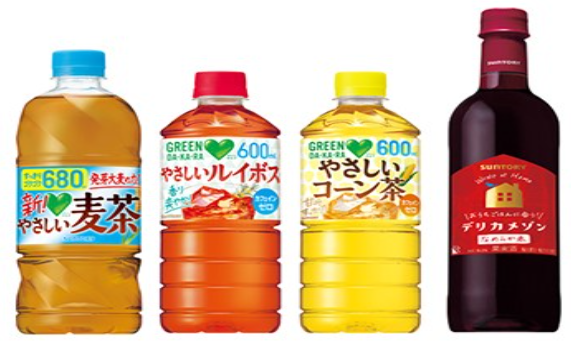
Suntory is well-known not only for its soft drinks but also for its wine and whisky. It is a good time to look at the glass bottles the company uses for these products, especially wine bottles.
However, there is not much information about glass bottle recycling. In the past, glass bottles were the main drink containers. They are good for the environment because we can use them many times. But today, plastic bottles are more common, so people pay less attention to glass bottles. Suntory is a leader in plastic bottle recycling. How will the company work on glass bottle recycling and reuse in the future?
Recycling Glass Bottles
Recently, people have been paying more attention to recycling glass bottles because glass is better for the environment than plastic. Recycle of glass bottles has along history in Japan. About 75% of used glass bottles are recycled, and about 77% of these bottles are reused to make new glass bottles. This is called “bottle-to-bottle” recycling (Glass Bottle Recycling Promotion Council, 2022).
However, more Japanese people become to think that used bottles are not clean. This is because of worries about hygiene and the cultural idea that new is better. These days people like recycling bottles to make new ones more than reusing bottles.
Europe, especially countries famous for wine such as France, has a long history of using and reusing glass bottles. In several European countries—like Finland and Germany—there is a deposit system for bottles. People pay a small deposit when they buy a bottle, and they get the money back when they return it. This system makes bottle-returning a natural habit, and people feel comfortable reusing glass bottles. In these countries, the returned bottles are washed and sterilized at high temperatures. Only bottles that pass strict cleanliness checks are reused, so people have no concern about hygiene or safety. France, as one of the world’s most famous wine-producing countries, also relies on high-quality glass bottles. Because wine culture is strong, the idea of reusing wine bottles is well accepted, and systems for returning and recycling bottles continue to develop.
Bottle for Tickets
In Finland, people often drink sparkling wine at events and parties to celebrate. In parks where many people gather, a lot of trash and many empty wine bottles are left. There is a system in the park; if you collect 20 sparkling wine bottles, you can get a free movie pass for a year. It seems hard to collect 20 bottles only of sparkling wine from the Japanese perspective. However, many Finnish people come to the campaign booth with empty bottles, and the staff are very busy. Children and students collect the bottles more than adults. For Finland, heavy sparkling wine bottles are successfully collected as the important recycling resource.
In Japan, the recycling rate for glass bottles is high, but the culture of reusing bottles is still not common. In the future, Japan may need better systems and changes in how people think so that returning bottles becomes normal, like in Europe.

References:

